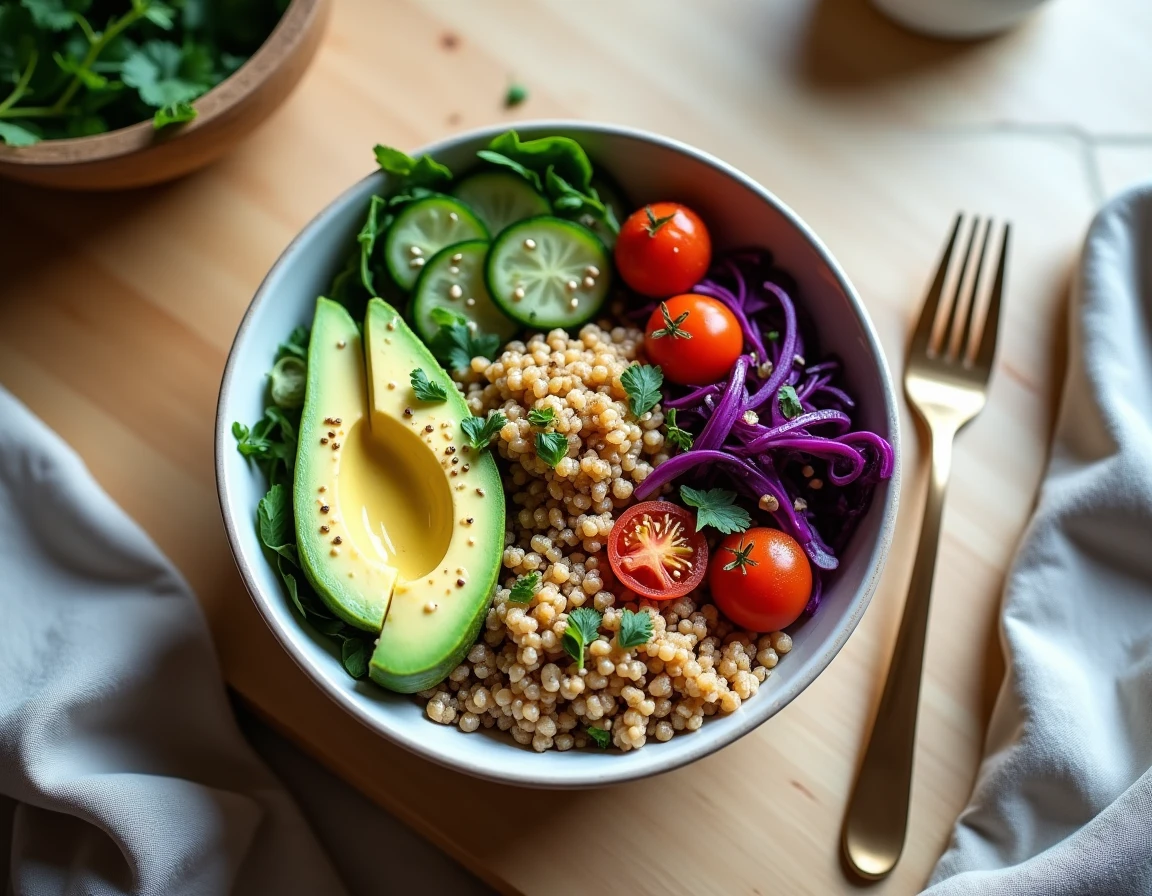
When you come home from work at 7:30 PM wanting to eat something good without ruining your efforts from the week, the classic reflex remains a green salad or grilled chicken breast. However, these two options end up becoming repetitive, and the desire to cook fades after a few days. The real lever for maintaining a balanced diet over time is light dishes built around bold flavors and true nutritional density.
Losing weight without sacrificing taste requires rethinking the composition of the plate: combining low-calorie density vegetables, filling proteins, and generous herbs. Here, we detail the combinations that work daily, far from interchangeable recipe lists.
Taste engineering in a weight-loss dish: spices and condiments to forget about restriction
The most common problem when composing light meals is blandness. We reduce fats, eliminate cream, and the dish loses all interest. Research on eating behavior shows that the aromatic intensity of a dish reduces the perception of restriction at the same caloric intake, with less snacking in the hours that follow.
Specifically, we talk about smoked paprika, ginger, cumin, fresh herbs like cilantro or basil, and acidity from lemon or fermented condiments. These elements add almost no calories but radically change the level of satisfaction felt at the table.
A practical example: roasted zucchini with cumin, a drizzle of olive oil, and lemon juice. The preparation time does not exceed fifteen minutes, the result has depth, and there is no need to compensate after the meal. This approach can also be found in the weight-loss tips from La Cuisine de Watoote, which emphasize the role of herbs in dishes for losing weight.

Plant proteins and whole grains: the duo that lasts
Grilled chicken remains a classic in diets, but when you eat it five nights a week, fatigue sets in quickly. Recent data shows that dishes combining legumes and whole grains improve satiety and adherence to the diet in the long term, compared to low-calorie meals focused solely on poultry and raw vegetables.
A bowl of red lentils with quinoa, spinach, and a sesame vinaigrette checks all the boxes: protein, fiber, richness in micronutrients, and a strong enough flavor that you want to make it again. Marinated tofu with soy and ginger, sautéed with green beans, works on the same principle.
Three concrete combinations to try this week
- Warm green lentils, diced beetroot, crumbled feta, fresh mint, and lemon: a complete dish that can be batch-prepared on Sunday for three lunches
- Roasted chickpeas with paprika, bulgur, cherry tomatoes, and flat-leaf parsley: crunchy texture, warm flavors, filling without heaviness
- Grilled tempeh with sautéed kale in garlic, a drizzle of canola oil, and brown rice: dense nutritional profile, natural umami flavor
Tempeh has a pronounced fermented flavor that can be surprising. For those who don’t like it, replacing it with white beans yields just as satisfying a result.
Low-calorie density vegetables: the base of the light plate
Spinach, cabbage, green beans, tomatoes: these vegetables allow you to fill the plate visually and physically without weighing down the energy balance. Combined with a source of good fats (olive oil, avocado, canola oil), they form dishes that manage hunger while limiting deficiencies, a point that generic weight-loss recipe lists rarely address.
The key is volume. A large bowl of thick spinach and broccoli soup, blended with a bit of olive oil and served with a slice of whole-grain bread, nourishes more than a small container of pre-packaged salad from the supermarket. The volume perceived by the stomach plays a direct role in the satiety signal.
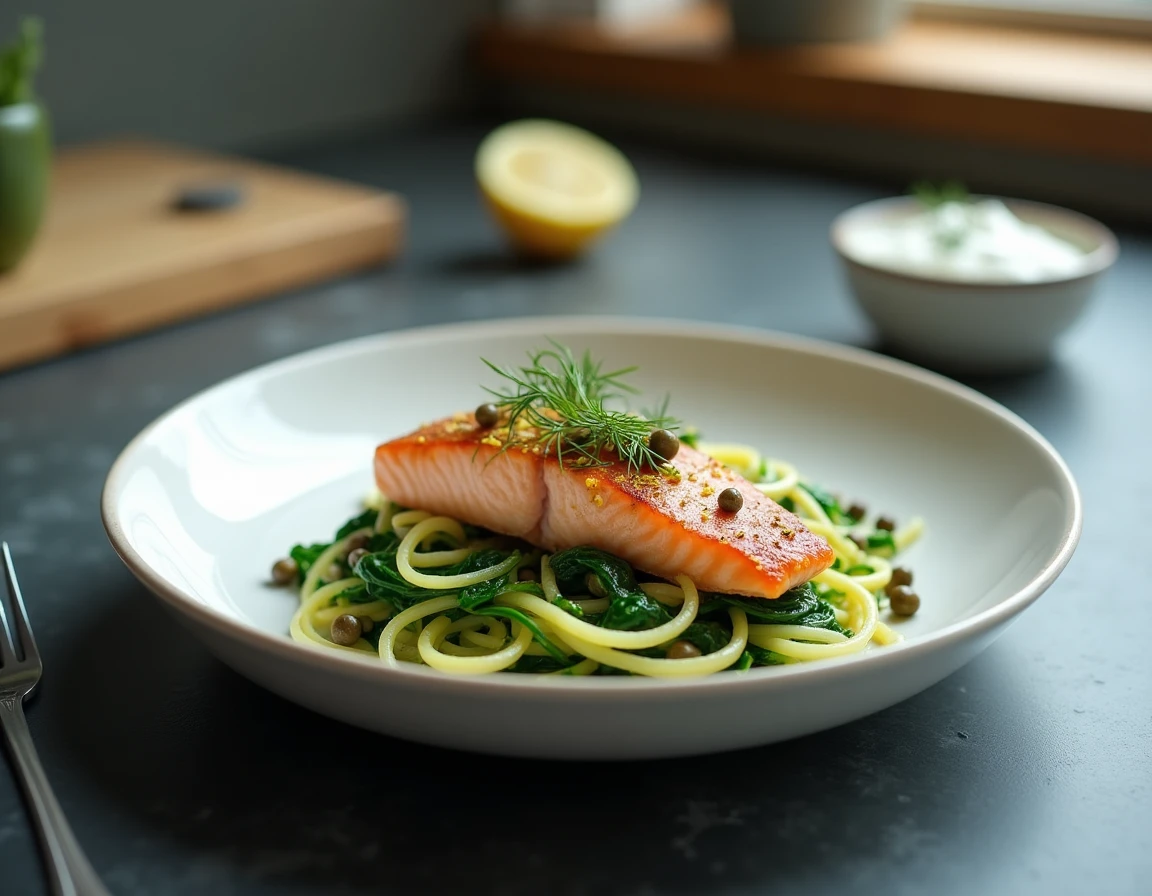
Building a light evening meal around vegetables
In the evening, we need less energy, but we need satisfaction. A sauté of zucchini and mushrooms with two fried eggs, seasoned with thyme and pepper, makes for a dinner in under ten minutes. The eggs provide the necessary protein, the vegetables the volume, and the herbs the pleasure.
Another effective option: a large salad of shredded red cabbage, carrots, pumpkin seeds, and cold sliced chicken, with a yogurt and lemon dressing. A successful light evening meal combines lean proteins, fiber, and herbs, without the need for complex recipes.
Recurring signature dishes: the strategy that prevents dropouts
Field data from dietary rebalancing programs point to a often overlooked factor: people who identify three or four signature pleasure dishes they master stick to their diet better than those who seek a new recipe every night. Constant novelty is exhausting. Routine is reassuring, as long as the chosen dishes are good.
We’re not talking about eating the same thing every day, but having a short repertoire of light dishes that you can make with your eyes closed. A vegetable curry with light coconut milk, a cauliflower tabbouleh with herbs, an omelet with mushrooms: three dishes that cover the week without monotony, with possible variations depending on seasonal vegetables.
- Choose a legume-based dish for lunch (energy, fiber, plant proteins)
- Keep a quick egg or fish-based dish for dinner (short preparation, light digestion)
- Plan a “comfort” dish you master for the weekend (mild curry, vegetable gratin without heavy béchamel)
With this framework, weight loss relies less on willpower than on organization. Three well-established light dishes are worth more than thirty recipes never repeated.
Taste is not a luxury in a dietary rebalancing; it is the factor that determines whether you last three weeks or three months. Focusing on spices, plant proteins, and a small repertoire of signature dishes allows you to build a lasting dietary routine.