Each new season brings its share of silhouettes, colors, and materials that redefine the sneaker landscape. Autumn 2026 is no exception, but it stands out with a mix of outdoor codes, contrasting volumes, and European regulatory constraints that are beginning to weigh on the materials used. Here are the sneaker trends to know for making an informed choice this season.
Trail sneakers in the city: why rugged soles are leaving the trails
Have you noticed those pairs with thick, grippy soles, worn on pavement rather than hiking paths? It’s no coincidence. Trail-inspired and technical approach models have made their way into urban wardrobes.
The idea is not just aesthetic. These hybrid shoes incorporate reinforcements, technical lacing, and grippy soles designed for the outdoors but adapted for everyday use in the city. The result: a pair that holds up when it rains, absorbs impact on concrete, and doesn’t look like everyone else’s.
This crossover between outdoor performance and urban style explains why brands historically focused on the mountains are now offering models designed for the sidewalk. To keep up with these releases, you can check the Sneaky website, which lists the latest market news.
One criterion to check before buying: the stiffness of the sole. A trail sole that is too rigid will be uncomfortable in the city after a full day of walking. Favor models with a flexible midsole, even if the outer profile is rugged.
Volumes and proportions of sneakers for autumn 2026: slim or chunky
This autumn’s sneaker fashion does not choose between slim and chunky. Both coexist. It’s a characteristic of the season: low and sleek silhouettes coexist with bulky models inspired by 2000s skate culture.
The return of thick-soled skate shoes
Wide uppers, generous soles, and reinforcements at the toe cap (the front foot area) are making a comeback. This style, which dominated the early 2000s, returns with updated materials. Suede, grained leather, and sometimes synthetic fur replace the cheap synthetic leather of the past.
Low profiles and sleek lines
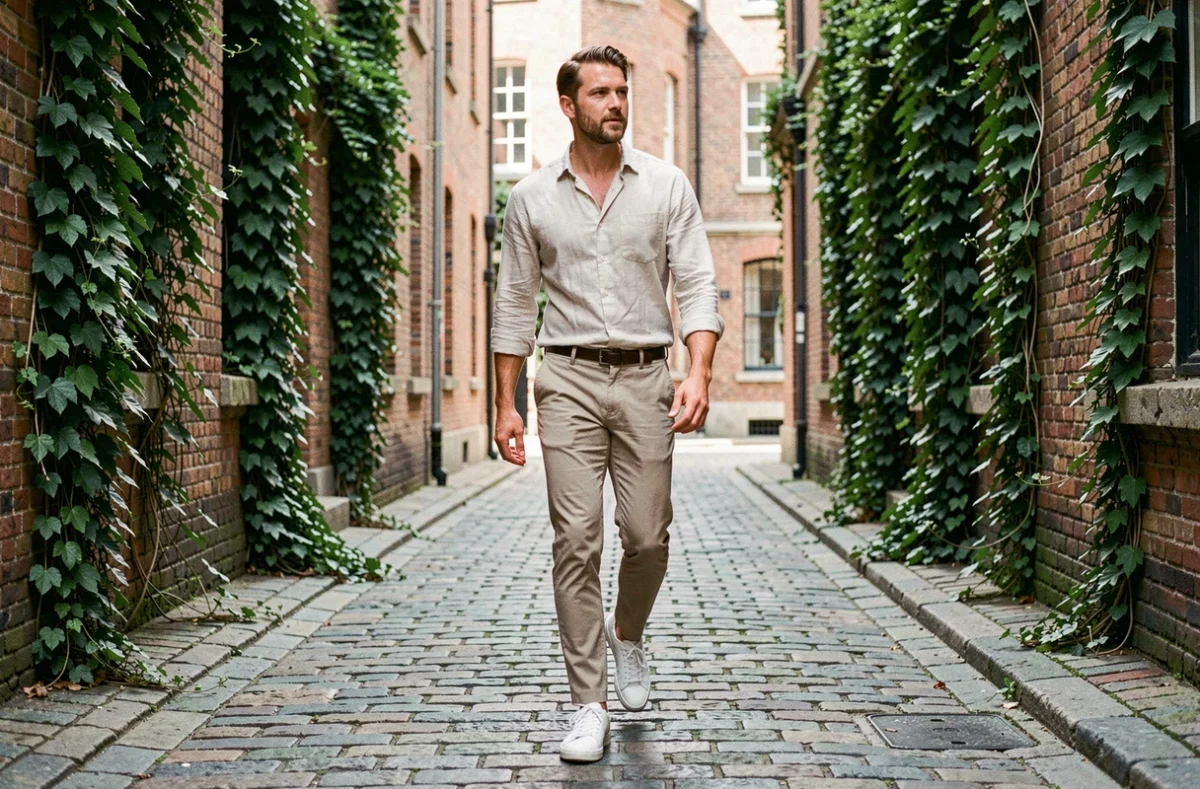
On the opposite end, slim sneakers remain very popular. Sleek lines, flat soles, and no frills. This minimalism works well with fitted outfits or wide pants that leave the shoe visible.
The choice between these two directions mainly depends on your clothing proportions. A bulky sneaker can throw off the balance of slim pants, while a slim model can get lost under cargo pants. The harmony between the shoe and the bottom of the pants remains the most reliable guideline.
Colors and materials for autumn-winter sneakers: brown dominates
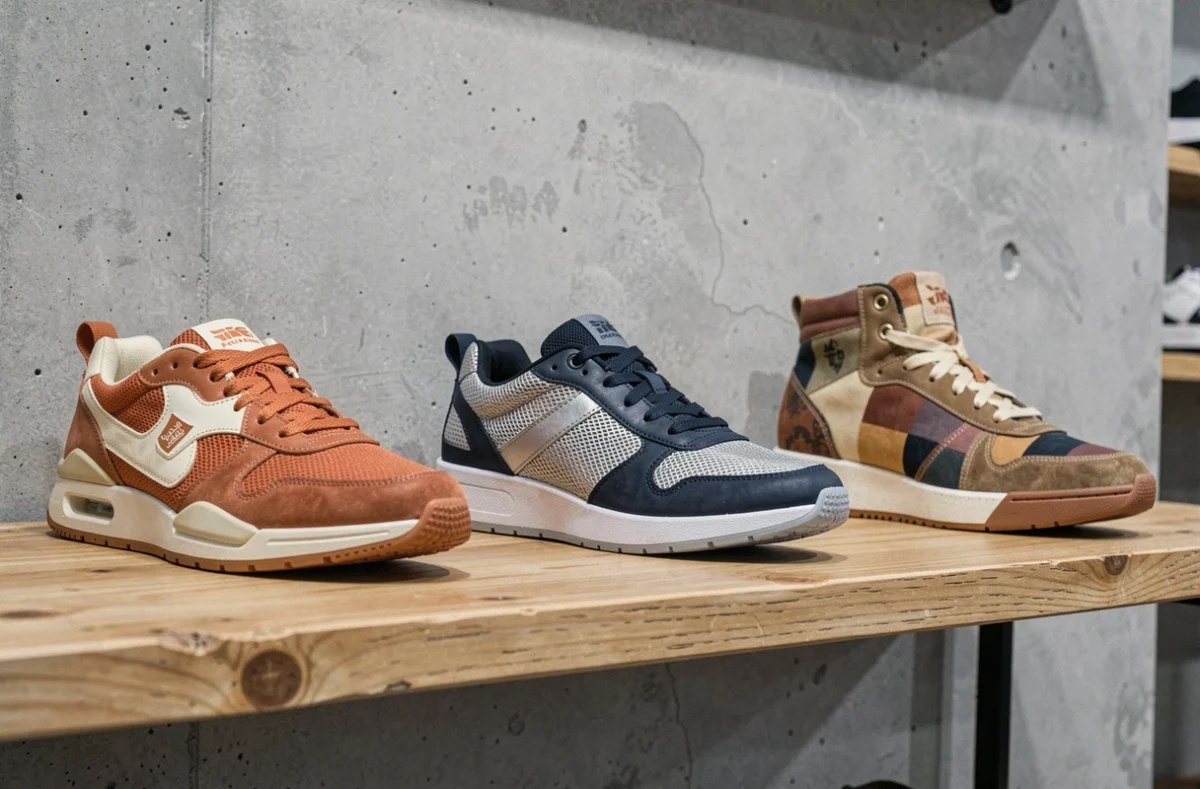
Brown is establishing itself as the key color of the season. Available in chocolate, tobacco, hazelnut, or caramel, it appears on models made of suede, smooth leather, and nubuck. This dominance is not trivial: it reflects the influence of outdoor codes and a preference for warm tones that easily blend with autumn wardrobes.
- Suede and synthetic fur are used to mark the transition to the colder months, providing a visible texture at first glance.
- Subtle metallic details (gold eyelets, heel inserts) appear on neutral bases, white or beige, to add depth without overwhelming.
- Leather remains a classic, but surface treatments are evolving: more pronounced grains, matte finishes rather than shiny ones.
Why does this information matter when choosing? A light-colored suede without water-repellent treatment will stain at the first rain. If you opt for an autumn model in suede, check for a protective treatment or plan to use a suitable spray right after purchase.
Choosing a trendy sneaker suitable for autumn: concrete criteria
A pair can check all the aesthetic boxes and still be unsuitable for autumn use. Rain, cool temperatures, and long days change the requirements.
- The outsole must provide sufficient grip on wet surfaces. Flat rubber soles, typical of summer models, slip on fallen leaves and wet sidewalks.
- The upper (the part that wraps around the foot) benefits from being made of leather or water-resistant synthetic material rather than breathable mesh, which lets in moisture within minutes.
- A padded collar around the ankle improves support and slightly insulates from the cold, a detail often overlooked on models designed for spring.
One last point rarely addressed in trend guides: European regulations are beginning to govern the materials used in consumer shoes. A restriction targeting certain chemical compounds (PFHxA, used in water-repellent treatments) could change the surface treatments available in upcoming collections. Specifically, traditional waterproofing sprays and some factory treatments are affected.
This evolution does not yet impact in-store choices, but it explains why some brands are now communicating about “PFC-free” or “water-based” treatments. This is not just green marketing: it is regulatory anticipation.
The sneakers of autumn 2026 offer a wide playground, blending outdoor codes, contrasting volumes, and warm palettes. The best reflex remains to start from your actual usage (daily commute, local weather, existing wardrobe) rather than following an isolated trend. A pair worn every day is worth more than three pairs that stay in the closet.