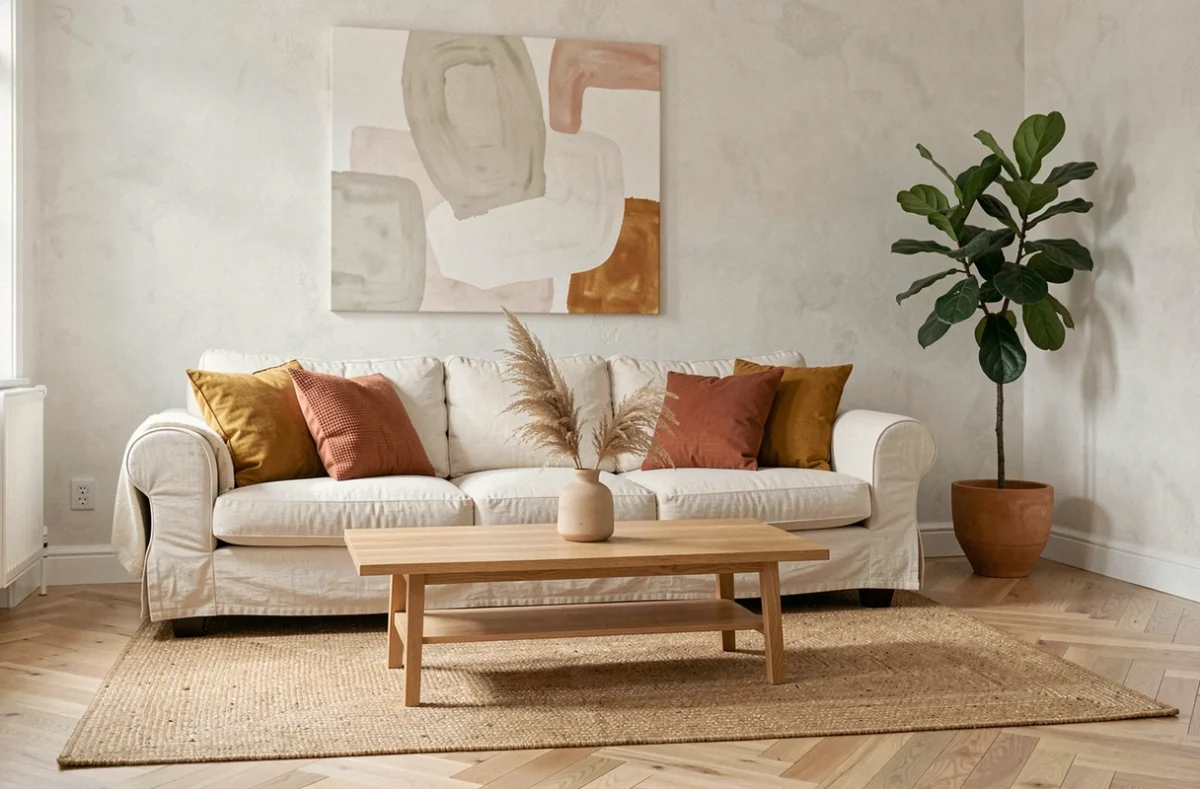
Interior design encompasses the choices of colors, materials, furniture, and layout that transform a living space into a home that suits its occupants’ habits. A space that feels like you isn’t created by piling on trends, but by making precise, practical decisions about color palettes, how light moves through the space, and material quality. This article explores the practical principles behind a successful interior.
Material labeling: what interior design means for indoor air quality
Before choosing paint or flooring, there’s one often-overlooked factor worth checking: emissions of volatile organic compounds. In France, paints, adhesives, and floor and wall coverings are subject to an emissions label ranging from A+ to C. This classification makes it easy to compare a product’s impact on indoor air quality.
Furniture is where things get tricky. This labeling doesn’t apply to all indoor products, including furniture. For a sofa, shelving unit, or chest of drawers, ask the manufacturer for information about the adhesives and materials used. European regulations on formaldehyde emissions from furniture are evolving, but they still don’t provide a label that makes it easy to compare emissions before buying.
In practical terms, choosing A+-rated paint and flooring installed without solvent-based adhesive reduces the chemical load in a room. These material choices are an integral part of a space’s design, just like color and texture. Resources such as the Rêves de Déco website offer ideas for decorating with this in mind.
Color palette: creating harmony from room to room
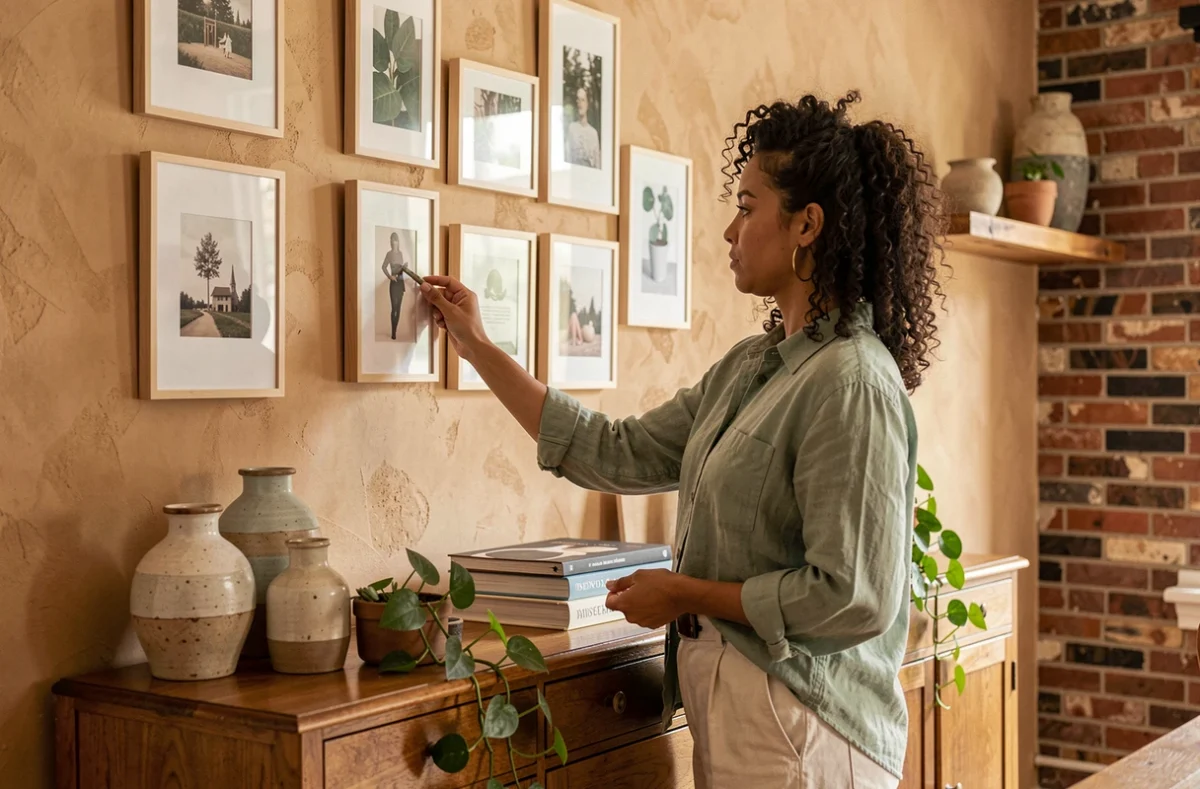
Choosing colors is the most visible way to shape an interior design project. An effective palette follows a simple principle: one dominant color, one secondary color, and one accent. The dominant color covers large surfaces (walls and floors), the secondary color features on the main furniture, and the accent appears in touches on textiles or decorative objects.
This approach avoids the classic “love-at-first-sight” trap, where a piece of furniture or an object bought on its own never quite fits with the rest. Testing colors directly on the wall with samples viewed at different times of day is the only reliable way to judge how they’ll look. Morning daylight and evening artificial lighting can dramatically change how the same color appears.
Color and the perception of space
Light colors make a room look larger, while dark colors make it feel smaller and cozier. This isn’t just a matter of taste: in a studio apartment or a narrow living room, painting a single wall in a rich color adds depth without making the space feel cramped. The ceiling, often overlooked, can have a similar effect: a shade slightly lighter than the walls makes the room feel taller.
Reuse and secondhand furniture: more than just a vintage look
Adding vintage or secondhand furniture to an interior is no longer just an aesthetic choice. ADEME reports that reuse and repurposing are growing in France, while noting that progress varies across sectors. For a decorating project, this means several different channels are available, each with varying levels of quality and traceability.
- Reuse centers sell collected furniture, sometimes refurbished, at reduced prices. Selection varies widely depending on the organization and what’s available.
- Peer-to-peer secondhand marketplaces offer a wider selection, but provide no guarantee of a piece’s actual condition or the materials used.
- Furniture restoration specialists can provide refinished pieces with your choice of finishes. They cost more, but the results are more predictable.
Comparing these options before buying can help you find furniture that suits your personal style without compromising on durability. Repairing a piece of furniture can extend its lifespan, but ADEME notes that the repair sector still faces economic challenges. Before investing in restoration, it’s best to check the structural integrity of an older piece.
Lighting and layout: two practical ways to personalize every room
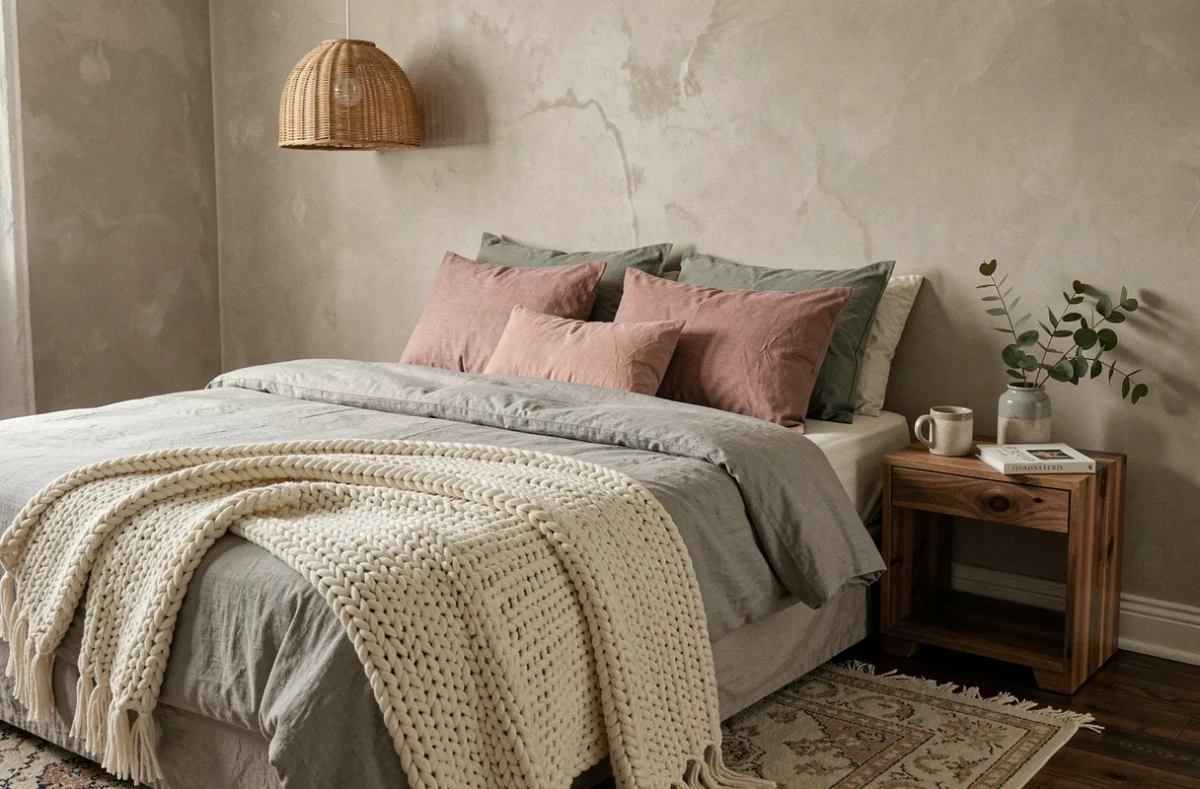
Plan a room’s lighting in three complementary layers:
- General lighting (ceiling lights, pendants) provides the room’s basic illumination.
- Task lighting (desk lamps, reading lights, kitchen spotlights) focuses on areas where activities take place.
- Ambient lighting (string lights, accent lamps, candles) changes the mood depending on the time of day.
Layering these three types of lighting turns a generic space into a flexible living environment. A dimmer on the main light is often all it takes to change a room’s mood without altering the existing decor.
Layout and movement through a space
Furniture should be chosen for more than just its style: its size and placement determine how people move through a room. A sofa placed with its back to the entrance creates a natural division between the walkway and the living area. A table set near the window benefits from natural light, so there’s no need for extra task lighting during the day.
Measuring the available space before buying furniture helps prevent costly mistakes. A scaled floor plan, even one drawn by hand, makes it easier to visualize how much room each item will take up and how much space will remain for walkways.
Interior design that stands the test of time depends less on current trends than on mastering a few fundamentals: healthy, clearly labeled materials; a well-structured color palette; layered lighting; and furniture sized to fit the actual space. Reuse offers a practical way to personalize an interior while reducing its environmental impact, provided you compare your options and check each piece’s condition before buying.