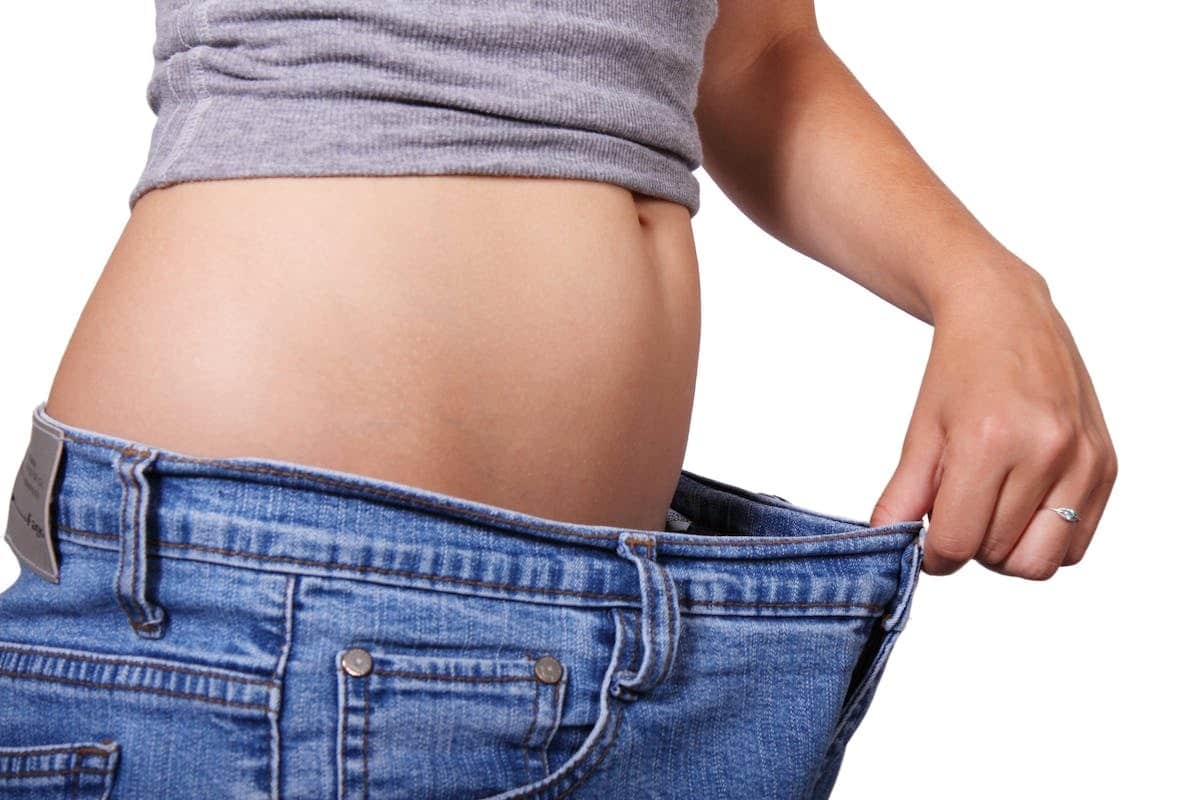
After gallbladder removal, many people face a significant challenge: managing their weight. This surgery, while necessary to address specific health issues, can lead to changes in digestion and fat absorption. The body may then struggle to balance caloric intake, which can result in unexpected weight gain. Post-operative pain and discomfort can make physical exercise difficult, further exacerbating the problem. You need to understand how to manage your weight after this surgical intervention.
Gallbladder Removal: Impact on Weight
The removal of the gallbladder, a surgical procedure often necessary due to the presence of gallstones, has a significant impact on the patient’s weight. This organ plays a crucial role in our digestive system by storing bile produced by the liver, a substance essential for digesting fats. Therefore, its absence can lead to notable changes in metabolism.
It is common to observe weight gain after this operation. Indeed, without the gallbladder to properly regulate and store the bile necessary for eliminating lipids absorbed during meals, these tend to be less well digested and therefore more likely to be stored as body fat.
However, ‘losing weight after gallbladder removal’ is not only possible but also recommended for certain patients to improve their overall well-being and prevent complications. For this, it is crucial to adopt a balanced diet characterized by low fat content while promoting foods rich in fiber.
Regular physical exercise is also advised to stimulate metabolism and thus facilitate the post-surgical weight loss process. It is essential that any major changes in your lifestyle are made hierarchically with medical supervision, especially if you suffer from other chronic medical conditions.
In specific cases where these measures are insufficient, the use of medication to help manage fat digestion may be considered with your doctor.
In summary, ‘losing weight after gallbladder removal’ involves a comprehensive approach that requires both a healthy diet and the adoption of an active lifestyle, as well as a personalized medical follow-up. Far from being a sentence, this surgical intervention can, on the contrary, be the starting point for a healthier and more balanced lifestyle.
Weight Management After Removal: Key Factors
When it comes to managing weight after a gallbladder removal, it is important to consider certain key factors. It is essential to note that each individual reacts differently to this surgical intervention, meaning that approaches may vary from person to person.
One essential factor to consider is the individual’s metabolism. After gallbladder removal, some may notice a slowdown in metabolism and therefore increased difficulty in maintaining or losing weight. In such cases, it may be beneficial to consider specific dietary adjustments to stimulate metabolism.
Another important variable is age. Generally, as we age, our metabolism tends to decrease naturally. For those who have undergone gallbladder removal and are older, it may be even more challenging to control their weight. Special attention should therefore be paid to food choices and regular physical exercise.
Body composition also plays a crucial role in post-operative weight management. It may happen that despite constant efforts to lose weight after the surgical intervention, this is not necessarily reflected on the scale due to a simultaneous increase in lean muscle mass. In this case, it is important not to focus solely on the numbers and instead evaluate the body composition as a whole.
There are psychological factors that can influence weight management after gallbladder removal. For example, some individuals may develop a complicated relationship with food following this surgical intervention. Emotional and psychological support may therefore be necessary to help maintain a healthy mental balance while adopting good eating habits.
Medical support is essential for effective weight management after gallbladder removal. Regular follow-up with a healthcare professional will allow for assessing progress, adjusting the dietary plan or recommended physical exercise if necessary, and taking into account any pre-existing medical conditions that may impact the weight loss or maintenance process.
Managing weight after a gallbladder removal requires a personalized approach that considers several factors such as individual metabolism, age, body composition, and the psychological aspects associated with this surgical intervention. By working closely with a medical professional and being aware of the specific characteristics unique to each person affected by this unique post-operative situation, it becomes possible to adopt tailored strategies that promote overall well-being and effective weight management.
Maintaining a Stable Weight After Surgery: Tips
After a gallbladder removal, maintaining a stable weight can be a challenge. There are certainly tips that can help you achieve this goal. Here are some valuable pieces of advice:
Opt for a balanced diet: Adopting a healthy and balanced diet is essential for maintaining a stable weight after this surgical intervention. An important fact to note here is the importance of avoiding foods high in saturated fats and cholesterol, as they can worsen post-operative symptoms such as diarrhea or stomach aches.
Eat frequent but light meals: Instead of consuming large meals three times a day, it is recommended to opt for smaller, more frequent meals throughout the day to facilitate digestion. This also helps stabilize blood sugar levels and avoid snacking between meals.
Prioritize hydration: Drinking enough water is crucial not only for maintaining your stable weight but also for promoting the overall proper functioning of the body after the surgical intervention.
Be moderate with alcohol: Excessive alcohol consumption can lead to unwanted weight gain after gallbladder removal due to the high caloric content of alcoholic beverages. It is important to practice moderation in alcohol consumption.
Engage in regular physical activity: Regular exercise is essential for maintaining a stable weight and promoting good overall health. Choose activities you enjoy, such as walking, swimming, or yoga, and try to incorporate them into your daily routine.
Manage stress: Stress can often lead to unwanted weight gain. Find effective ways to manage your stress, such as meditation, yoga, or other relaxation techniques.
Get enough sleep: Adequate sleep plays a crucial role in maintaining a stable weight after gallbladder removal. Therefore, try to establish a regular bedtime routine to promote restful sleep.
Remember to consult your doctor or dietitian before making any significant changes to your diet or daily habits after this surgical intervention. They will be able to provide specific recommendations based on your individual needs so that you can maintain a stable weight while preserving your overall health.
Balanced and Appropriate Diet: Essential!
After a gallbladder removal, it is crucial to understand the importance of a balanced and appropriate diet for effectively managing weight. An appropriate diet plays a crucial role in the post-operative healing process as well as in preventing long-term complications.
A balanced diet involves an adequate intake of essential macronutrients such as proteins, carbohydrates, and fats. Proteins are necessary for the repair and regeneration of tissues after the surgical intervention, while carbohydrates provide the energy necessary for the optimal functioning of the body. Fats, on the other hand, should be consumed in moderation to avoid any excess that could lead to unwanted weight gain.
Diversifying food sources is also crucial to ensure a complete nutritional intake. It is recommended to include a variety of foods such as fresh vegetables, colorful fruits, whole grains, low-fat dairy products, and lean or non-fat sources of protein in your daily diet. This will not only meet the specific nutritional needs after gallbladder removal but also help maintain a stable weight.
Be sure to avoid issues such as diarrhea, bloating, or abdominal pain. It is therefore preferable to prioritize healthier alternatives like lean sources of animal protein and unsaturated fats such as those found in olive oil or avocados.
It is also important to maintain adequate hydration after the surgical intervention. Drinking enough water not only promotes good digestive system functioning but also helps control appetite by avoiding confusion between thirst and hunger. Water can also help quickly eliminate toxins accumulated in the body and promote better digestion.
Beyond diet, it is important to emphasize the significance of an active lifestyle to maintain a stable weight after a gallbladder removal. Regular exercise not only helps burn additional calories but also strengthens metabolism and improves the overall health of the body.
Adopting a balanced and appropriate diet after a gallbladder removal is crucial for effectively managing weight while promoting post-operative healing. It is recommended to consult a medical professional or qualified nutritionist for personalized advice based on your individual needs. By following these specific recommendations, you can regain your nutritional balance while maintaining a stable weight for a better quality of life.
Physical Exercise: An Ally for Weight Control
In the weight management after a gallbladder removal, physical exercise is an essential ally. Indeed, regular physical activity offers numerous benefits for maintaining a stable weight and promoting good overall health.
Exercise helps burn additional calories, which can contribute to creating a necessary caloric deficit to lose weight or maintain it. By engaging muscles in physical activities such as brisk walking, jogging, or swimming, one stimulates not only metabolism but also the cardiovascular system. These two factors play a key role in energy expenditure and thus help control weight in the long term.
Practicing regular physical activity improves body composition by promoting an increase in muscle mass while reducing body fat. Strength training, in particular, is especially beneficial for increasing muscle mass as it stimulates muscle fibers and promotes their harmonious development. An increase in this muscle mass allows for a higher resting metabolism since muscles consume more energy than fat tissues even when we are at rest!
Physical exercise also has a positive impact on our mental and emotional state. It helps reduce stress through the release of endorphins—hormones responsible for the feeling of well-being—which limits the risks associated with emotional weight gain.
It is important to emphasize that each person is unique and that exercise needs may vary. Therefore, it is best to consult a qualified professional for personalized advice based on your physical condition, medical history, and specific goals.
Physical exercise proves to be a valuable ally in weight management after a gallbladder removal. By combining a balanced diet with regular physical activity tailored to one’s abilities, it is possible to achieve and maintain a stable weight while promoting overall health. Do not hesitate to take care of your body by moving regularly and always consult a professional if you have specific questions or concerns related to your individual situation.
Avoiding Post-Operative Mistakes to Prevent Weight Gain
In the weight management after gallbladder removal, attention must be paid to the gallbladder.
Another common pitfall is skipping meals or fasting for long periods. This may seem like an effective strategy to limit caloric intake, but it often leads to a slowing of metabolism and ultimately promotes fat storage when one resumes normal eating.
It is also important not to neglect vegetables and fruits in your daily diet. Rich in fiber, vitamins, and essential minerals, they are indispensable for maintaining optimal nutritional balance while providing few calories. Leafy greens, legumes, and fresh fruits are particularly recommended.
Another frequent mistake is consuming foods high in saturated and trans fats. These types of fats are difficult for the body to digest, especially after gallbladder removal. It is important to avoid saturated or hydrogenated fats.
Plan healthy and balanced snacks in advance, such as unsalted nuts, plain yogurt, or raw vegetables with a low-fat dip.
To maintain a stable weight after gallbladder removal, it is essential to avoid common mistakes such as following restrictive diets without consulting a qualified professional, skipping meals or fasting for long periods, neglecting vegetables and fruits, having a diet high in saturated and trans fats, and compulsive snacking. The key lies in a comprehensive approach that combines a balanced diet with regular physical activity tailored to individual capabilities. It is important to remember that there is no miracle solution for effectively managing weight. Each person is unique, and it is necessary to consult a professional for personalized advice based on their particular situation.