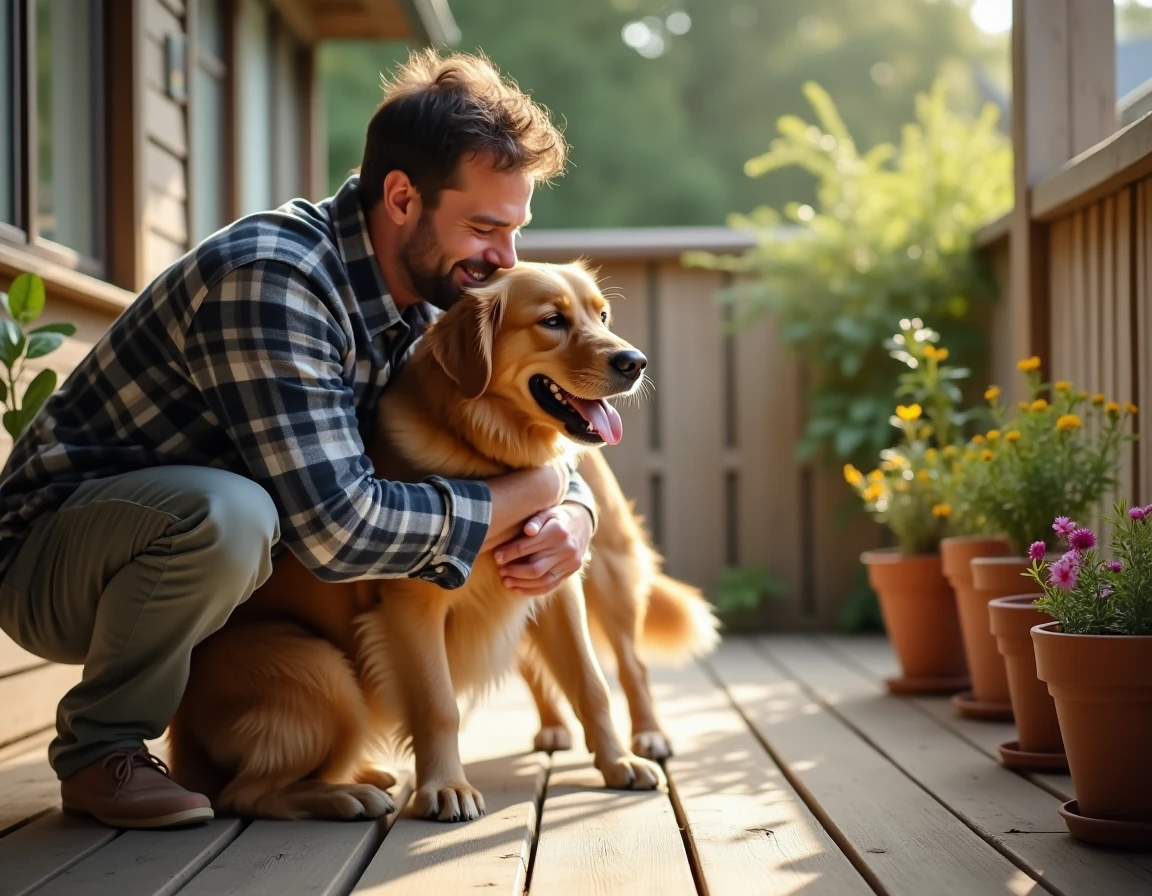
The question of memory duration in dogs arises whenever a separation looms: hospitalization, moving, temporary placement. Measuring how long a dog remembers its owner involves distinguishing what the animal actually retains, and especially through which channel it recognizes a familiar person.
Recognition of the owner without sensory cues: what experimental protocols reveal
Most reunion videos show a dog leaping towards its former owner. The problem is that the scene simultaneously provides multiple signals: body odor, voice tone, posture, familiar clothing. Removing these cues radically changes the dog’s reaction.
In canine cognition, studies on animal social memory indicate that dogs associate a person with a bundle of signals rather than a unique autobiographical memory. Smell remains the dominant channel. A close person whose scent is masked (unusual perfume, new clothes) can trigger hesitation, even after just a few days of separation.
This associative functioning has a direct consequence: recognition depends less on the time elapsed than on the presence or absence of recall cues. A detailed article on dog memory on Animal Passion confirms that re-exposure to a familiar signal (voice, smell) can reactivate a bond even after several months of absence.
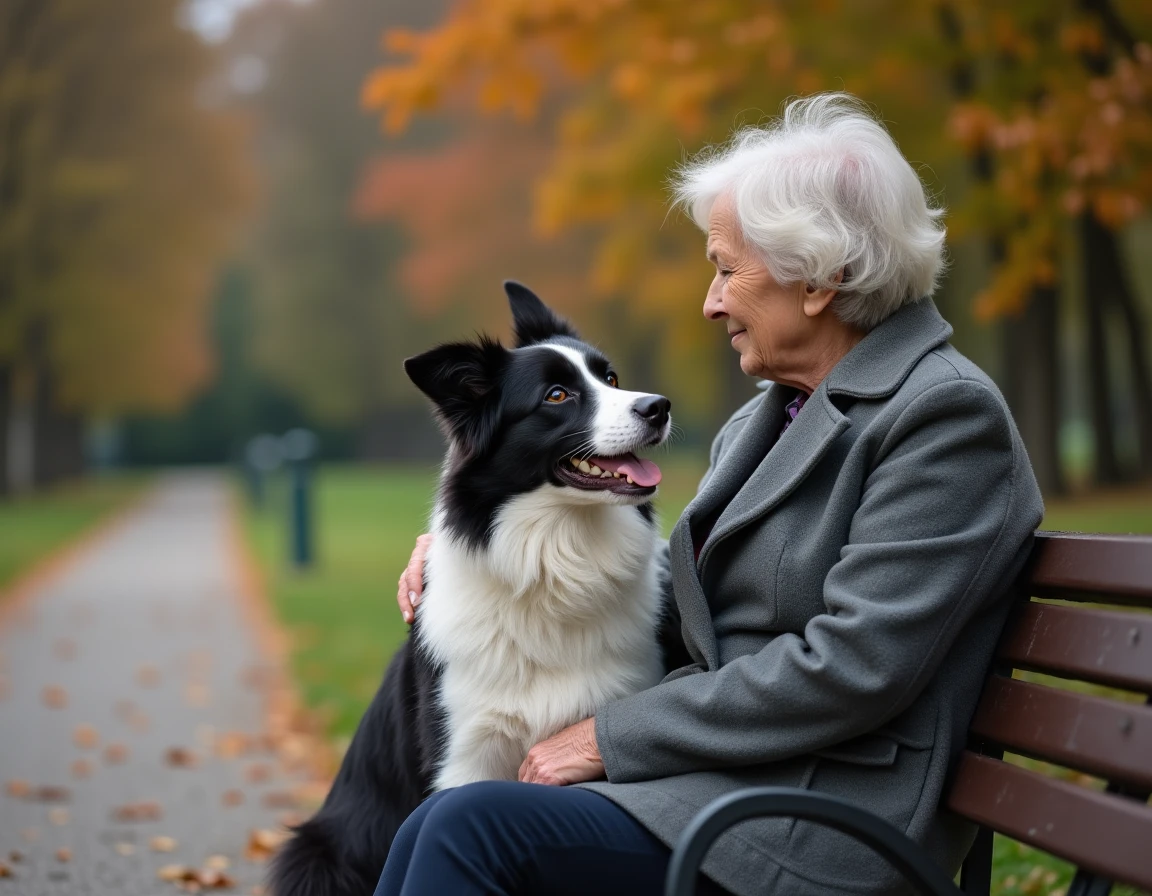
Olfactory memory, auditory memory, visual memory: comparative weight of recognition channels
Not all senses weigh the same in a dog’s ability to identify a former owner. The table below summarizes the available data in canine cognition.
| Sensorial Channel | Recognition Reliability | Persistence after prolonged separation |
|---|---|---|
| Olfactory (body odor) | Very high | Maintained over several months, or even longer |
| Auditory (voice, intonation) | High | Quick reactivation even after a long absence |
| Visual (silhouette, face) | Moderate | More fragile if appearance has changed |
| Contextual (place, routine) | Variable | Can compensate for a weakened sensory signal |
Olfaction is the cornerstone of the dog’s social memory. A dog exposed to clothing worn by its former owner reacts distinctly compared to clothing worn by a stranger, even after months of separation.
The voice comes second. The usual tone and intonations trigger measurable emotional responses (agitation, vocalizations, head orientation). In contrast, purely visual recognition remains the weakest link: a change in hairstyle, body shape, or clothing can be enough to create a delay before identification.
What this means for reunions
A close person returning after a long absence should speak to the dog before physically approaching it. The combination of voice and natural scent generally triggers clear recognition, whereas mere visual contact may remain ambiguous.
Factors that lengthen or shorten the duration of memory in dogs
Literature in canine cognition converges on one point: there is no fixed expiration date for a dog’s social memory. The duration of retention depends on a set of variables related to the relationship itself and the context of separation.
- The frequency and intensity of interactions before separation play a central role. A dog that has shared daily routines (walks, play, meals) with a person for several years retains a more robust memory than one that has cohabited for just a few weeks.
- The dog’s age at the time of separation matters. A puppy separated very early from a first owner has fewer associative traces than an adult dog that has lived for several years with the same person.
- The emotional context of the relationship also weighs in. A bond marked by regular care, play, and physical closeness creates more lasting associations than a distant cohabitation.
Conversely, a dog placed in a new stimulating environment, with an attentive new owner, can gradually invest in this new relationship without erasing the previous one. Old memories do not disappear; they become less activated in daily life.

Associative memory in dogs and human autobiographical memory: a frequent confusion
Comparing canine memory to human memory often leads to misunderstandings. A dog does not recall a past scene as a human re-watches an internal movie. Its memory operates through associations between sensory stimuli and emotional states.
When a dog reunites with a former owner and shows intense joy, it does not “remember” in the human sense of the term. It recognizes a set of signals (smell, voice, gestures) linked to a positive emotional state. This distinction does not diminish the strength of the reaction, but it explains why the removal of a single key cue can delay or block recognition.
This associative mechanism has an advantage: it is reactivatable. Even after a prolonged absence, a familiar signal can almost instantly revive the bond. Owners who find their dog after months of separation often report recognition within seconds, as soon as the animal perceives the smell or voice.
What this changes for long separations
During a temporary placement or prolonged care, leaving a piece of clothing worn by the owner with the dog can keep the olfactory bond active. This simple gesture directly exploits the associative functioning of canine memory.
The dog’s ability to recognize a former owner thus relies less on a time limit than on the richness of the associations built and the availability of sensory cues at the time of reunion. A strong bond, nourished by shared routines, resists separations of several months without fading.