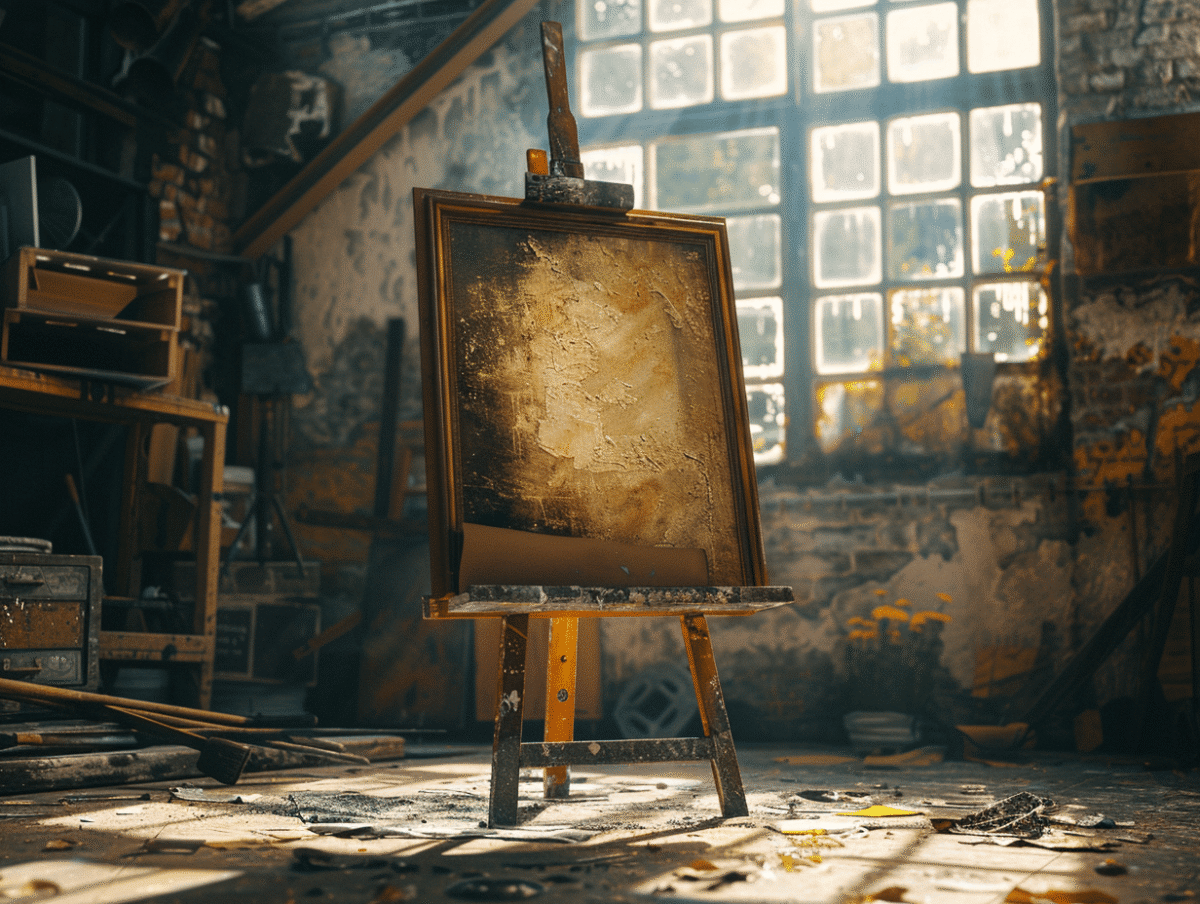
Time, while it gives a precious and historical character to ancient paintings, can also alter their beauty and brilliance. Collectors and art enthusiasts often face the challenge of restoring and preserving these works for future generations. Understanding the appropriate techniques and practices is essential to undertake this task with care and respect. This involves not only refreshing colors and repairing damage but also protecting the paintings from external aggressions. A detailed guide can be an indispensable ally for anyone wishing to give new life to their artistic treasures.
Essential Steps for Restoring Ancient Paintings
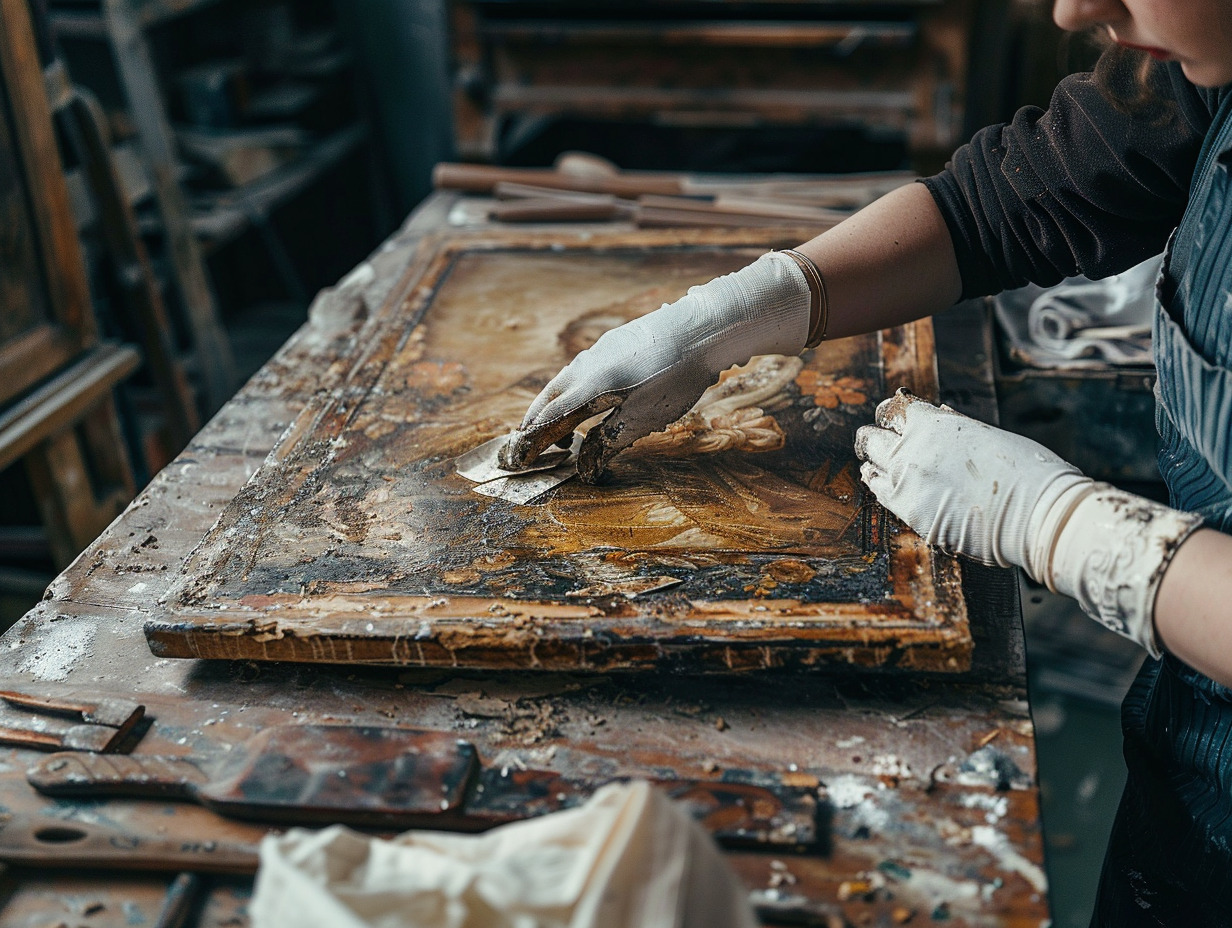
Restoration, this delicate process, requires specific expertise and the intervention of a professional restorer. First and foremost, painted works, whether oil or otherwise, require careful evaluation. Such an assessment will determine the appropriate restoration method, which may include dusting, gentle cleaning, filling in gaps, and retouching altered areas. Each step must respect the integrity and authenticity of the original work.
The proper use of tools and materials is crucial: brushes of various sizes, cotton swabs for solvent application, UV lamps for examining paint layers, spatulas for preparing and applying filler, and varnish for the final protection of the work. Advisors Alice Panhard and Fleur Foucher, seasoned conservator-restorers, emphasize specific techniques such as cleaning, varnish reduction, removal of overpaints, and re-fixing weakened paint layers over time.
The tips for restoring an ancient painting include mastering complex practices often reserved for experts. Restoration is not limited to a one-time intervention; it is part of a broader conservation approach. After restoration, the painting must be placed in a controlled environment, with particular attention to humidity, light, and temperature, to ensure its long-term preservation.
Prevention and Maintenance: The Keys to Preserving Original Brilliance
At the heart of art conservation, regular maintenance proves essential. The protective varnish applied during restoration certainly helps prevent the accumulation of dirt and atmospheric pollutants, but it does not exempt from constant attention. Specialists recommend frequently dusting painted surfaces with a soft brush, thus avoiding micro-scratches that could embed over time.
For gilded frames, often neglected elements, cleaning is equally fundamental. A soft, dry brush is usually sufficient to remove particles without altering the delicate gilding. Professional restorers warn against using chemical products that could corrode the fine layer of gold and irreparably damage the frame.
Light, that treacherous friend, deserves special vigilance. Prolonged exposure, especially if direct, can lead to yellowing or discoloration of pigments. Conservators recommend using UV filters on windows as well as controlling light intensity in rooms where paintings are displayed.
Humidity and temperature play a significant role in the preservation of oil paintings. Sudden variations can cause the paint layer to crack or lift. Precise measuring instruments, such as hygrometers and thermometers, allow for monitoring these conditions and ensuring a stable environment for artworks, guaranteeing their longevity.