Cremation, a funeral practice where the body of the deceased is reduced to ashes through a cremation furnace, raises many misconceptions. Some believe that all remains are returned to families, while others question the environmental impact of the process. In reality, the process is characterized by rigor and adheres to strict protocols to ensure the dignity of the deceased. Surprising realities emerge, such as the use of specific coffins or the filtration of emissions to minimize the ecological footprint. Cremation thus reveals an unknown face, where tradition and modernity coexist.
Common Misconceptions About the Cremation Process
When it comes to cremation, misconceptions abound and shape images often far removed from reality. One of the most widespread and erroneous beliefs is that, during cremation, the body rises, as if animated by the flames. This image, worthy of a gothic novel, is debunked by contemporary technology of cremation furnaces. In truth, cremation is a process that requires rigorous control, particularly of the cremation temperature, which exceeds 1000 degrees Celsius, to ensure a respectful and complete transformation into ashes.
Cultural traditions and the legal framework of cremation often dictate the practices and perceptions of this funeral method. Indeed, some choose cremation for ecological, economic, or simplicity reasons, while others are guided by ancestral customs. The legal framework, for its part, requires individual cremation of each deceased, thus ensuring the dignity and traceability of the ashes. This legislation helps debunk another misconception: that of a possible mix-up of remains.
The grinding of bones, a process that follows the actual cremation, is often misunderstood. It is not a violent or disrespectful action, but a necessary step to reduce the cremated bones to a fine granular state, suitable for collection and placement in an urn. This procedure, far from the barbaric image that some may have of it, is carried out with care and respect, within the strict framework of the alternative to burial that is cremation.
Surprising Realities of Cremation
Contrary to common beliefs and cinematic scenes, cremation results in a reality quite different from what one might imagine. Once the body is transformed into ashes, a discreet and careful ritual takes place. The ashes, the final product of cremation, are collected with meticulousness that honors the memory of the deceased. The traceability of the ashes is ensured throughout the process, so that their final destination, whether it be an urn, a location in a columbarium, or a scattering in a memorial garden, is always known and respectful of the last wishes.
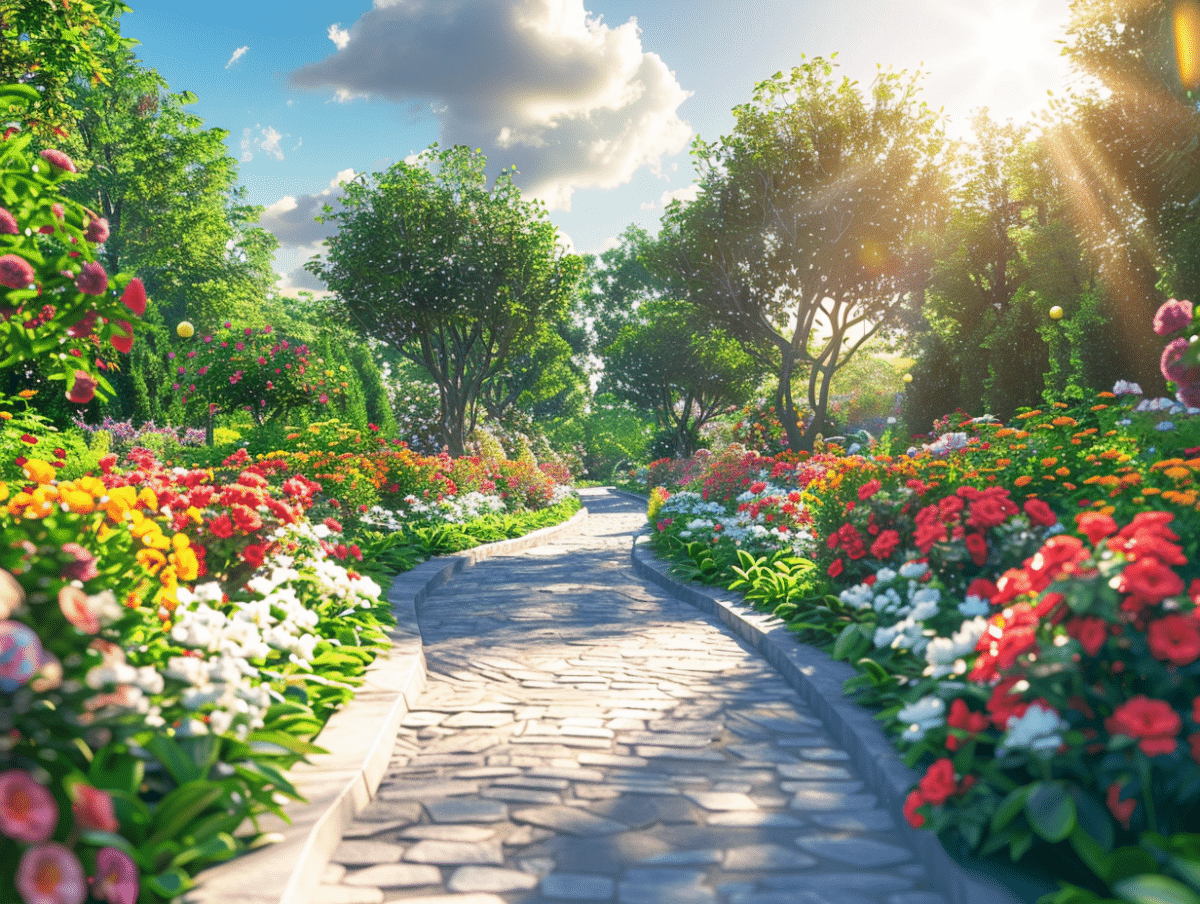
The decision to place the urn in a columbarium, a type of wall niche dedicated to this purpose in a cemetery, offers a lasting alternative for those who wish for a place of remembrance. A less formal trend is emerging, that of scattering ashes in nature or in dedicated spaces, such as memorial gardens, where the memory of the deceased mingles with the serenity of the landscape. These practices highlight the desire to integrate death into a larger cycle, where the dignity of the deceased is combined with a form of return to the earth.
The ecological dimension of cremation, often emphasized, is also realized in these post-cremation choices. The memorial garden, for example, embodies this fusion between environmental respect and ethereal memory. The law, in its rigor, frames these choices by ensuring dignity and traceability, ensuring that each step of the process honors the memory of the departed. The journey of the ashes, from their creation in the heat of the cremation furnace to their final resting place, is marked by significant and respectful gestures, far removed from the misconceptions that sometimes surround cremation.