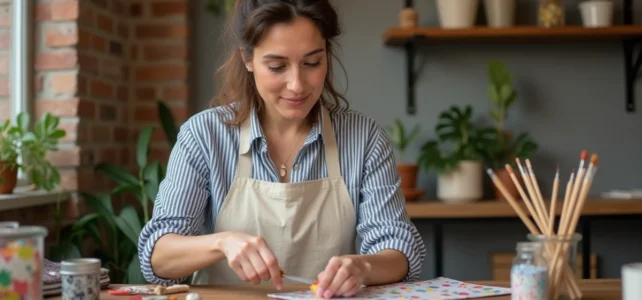
This article poses the question differently: which creative activities offer the best simplicity-result ratio, including when fine motor skills or movement are limited?
Upcycled creative hobbies or new materials: what each approach really requires
| Criterion | DIY with new materials | Upcycled DIY (recovery) |
|---|---|---|
| Startup cost | Variable, often higher (paint, beads, fabric) | Almost zero (packaging, used textiles, pallet wood) |
| Preparation time | Low (ready-to-use materials) | Longer (sorting, cleaning, cutting) |
| Motor accessibility | Depends on the project (some kits require precise movements) | Adaptable (choice of soft materials, large formats) |
| Durability of the result | Good (calibrated materials) | Variable (depends on the quality of the recovered waste) |
| Trend 2025-2026 | Machine-assisted knitting on the rise among urban adults | Upcycling of electronic household waste significantly increasing |
The table shows a clear gap in startup costs, but an inverse gap in preparation time. Upcycling requires preliminary work (sorting, cleaning) that new materials eliminate. The choice between the two therefore depends as much on budget as on available time.
A lire en complément : Friendly and Delicious Recipe Ideas to Delight the Whole Family
On the trend side, the upcycling of household electronic components has been steadily increasing since 2025, fueled by online communities documenting their processes. Conversely, several recent surveys on creative hobby practices indicate a decline in interest for paper DIY in favor of machine-assisted knitting among urban adults, motivated by the search for quick results.
To explore projects that combine these two logics, specialized sites like https://www.lesbricoleriesdenanie.fr/ gather tutorials suitable for different levels of practice.
A lire également : The 5 Essential Benefits for Small and Medium Enterprises in Using CegidLife
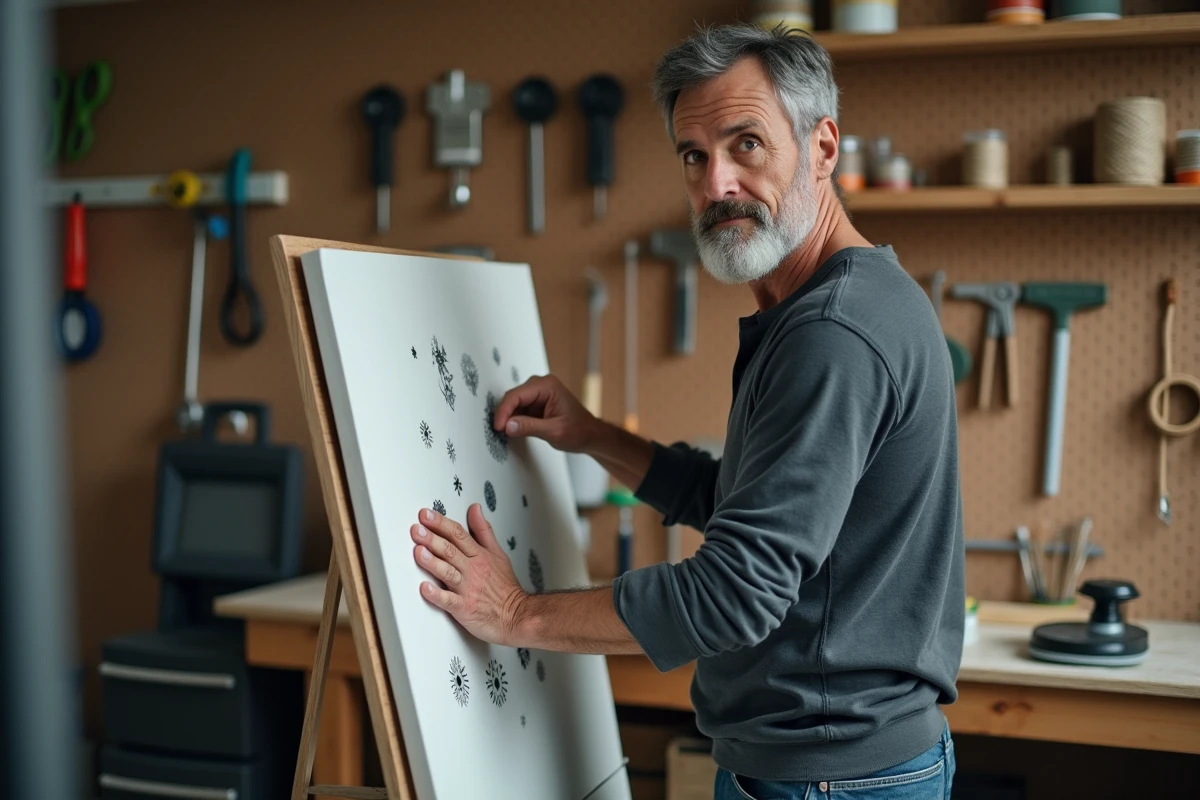
Sensorial DIY for reduced mobility: concrete ideas
A significant number of creative tutorials assume that the user has full fine motor skills and an accessible workspace. This assumption overlooks seniors in institutions and people with motor disabilities.
However, there are sensory projects designed for reduced mobility. They rely on materials that can be manipulated without force or extreme precision: large knit textiles, finger painting on rigid surfaces, cold glue assemblies.
Adapting a project without specialized tools
The principle is based on a deliberate constraint: replacing each step that requires a cutting tool, pliers, or a machine with an accessible gesture. Glue instead of sew. Tear instead of cut. Use fabric adhesive tape instead of a needle.
- Wall decor with glued fabrics: fabric scraps fixed on a rigid cardboard with PVA glue, no scissors needed (the fabric tears along the fibers for an intentionally irregular finish)
- Sensory frames: a lightweight wooden frame filled with various textures (wool, bubble wrap, felt) glued flat, manipulable from a chair
- Free painting on an inclined board: a cardboard support propped on the knees or a table, with thick acrylic paint applied with fingers or a sponge
- Beads to string on a rigid cord: large diameter beads and a semi-rigid cord that stands upright without being held, to avoid the fine pinching gesture
The difference between an inclusive project and a standard project lies in the design stage, not the budget. The materials remain the same; only the choice of formats and fixings changes.
Painting, beads, and wood: three decorative techniques to compare for starting at home
Research related to home creative hobbies revolves around a few recurring techniques: painting, beadwork, small decorative woodworking. Their learning curve and physical accessibility differ significantly.
Acrylic painting on recovered support
This is the technique that forgives mistakes the most. A pallet board, an old frame, or a glass jar can serve as a support. Acrylic paint dries quickly, cleans up with water, and does not emit solvents.
Two coats applied with a wide brush or foam roller yield a clean result without any particular technique.
Beads and homemade jewelry
Beadwork requires finer motor skills than the other two techniques. However, the entry cost remains modest, and the results are wearable or giftable. Seed beads require precise stringing which can deter beginners or those with less agile fingers. Larger wooden beads provide a more accessible alternative.
Small decorative wooden objects
Cutting, sanding, assembling: wood DIY requires a minimum of tools (saw, sandpaper, wood glue). The result lasts a long time and serves as a base for other techniques like painting or pyrography. Pallet wood remains the most versatile upcycled material for home decor.
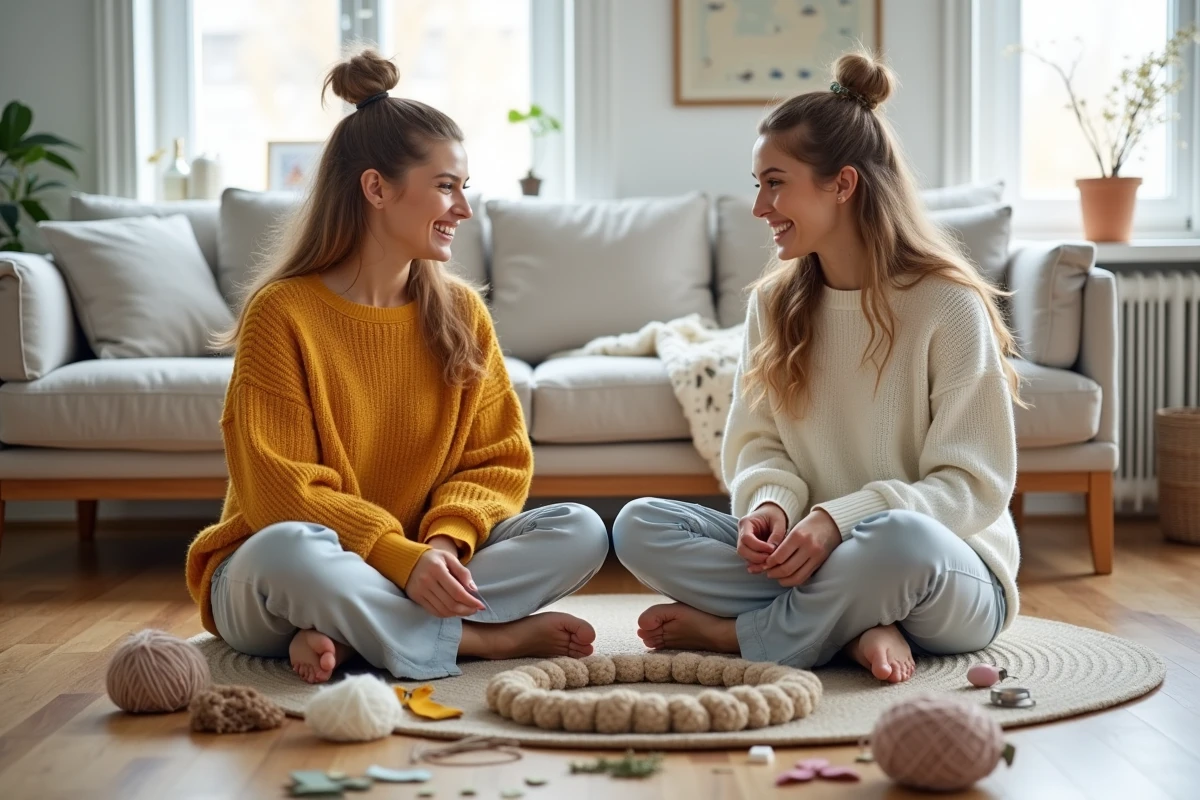
Durable DIY tutorial: prioritize recovery without sacrificing results
Upcycling now goes beyond repainted jars and pallets turned into shelves. Recovered electronic components (circuit boards, small motors) serve as raw materials for decorative creations or repurposed functional objects.
Not all waste lends itself to creative repurposing. Some recovered materials yield better results than others for a home decor tutorial:
- Used textiles (old sheets, shirts): suitable for glued patchwork, no-sew pouches, or decorative garlands
- Thick packaging cardboard: easily cut, serves as a structure for frames, storage, or painting supports
- Cork stoppers: lightweight, easy to glue, usable for coasters, stamp pads, or mini planters
An effective recovery project starts with the available material, not the tutorial. Reversing the usual logic (choosing a project then buying the materials) reduces costs and encourages more original solutions.
Home creative hobbies benefit from being thought out based on what is at hand and what the body allows. Upcycling and adapting to reduced mobility fall under the same approach: rethinking the creative gesture based on concrete constraints, whether material or physical.