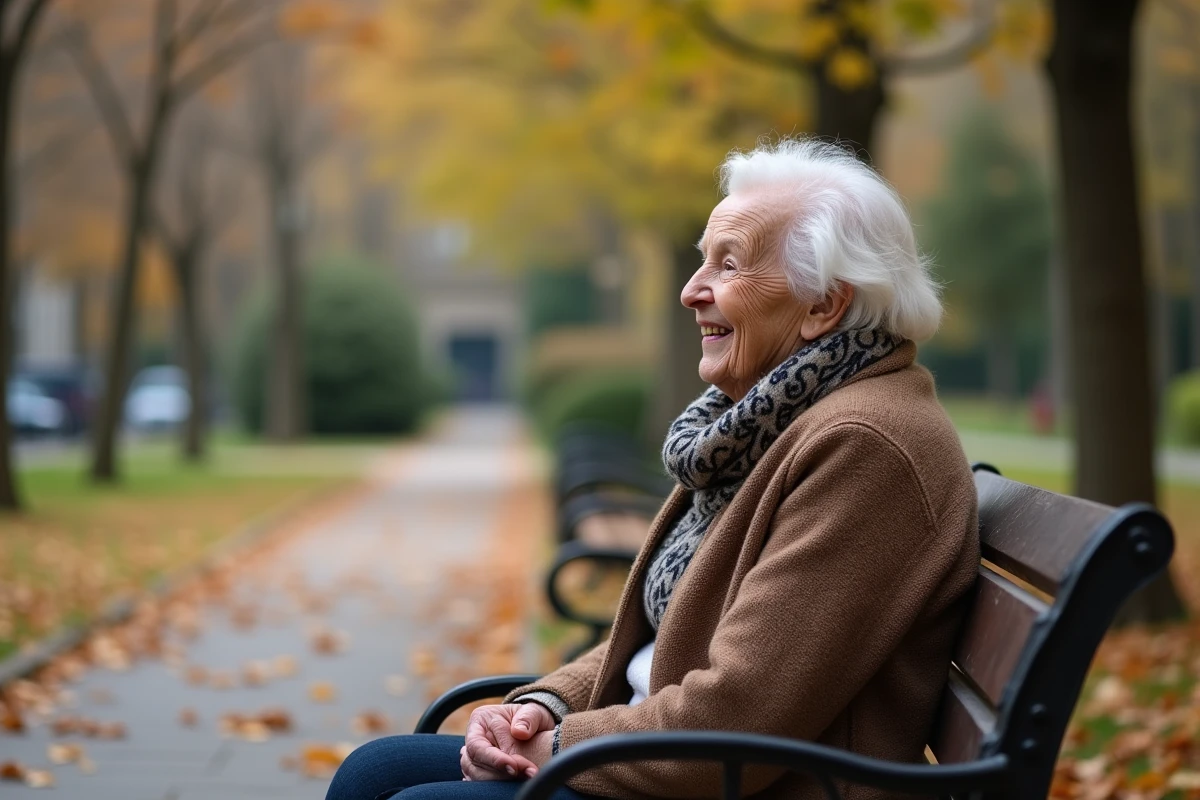
1.3 million French people celebrated their 90th birthday or more in 2023. This figure, far from being anecdotal, paints a new picture of the country. The gender distribution skews the image: 15% of women born in 1933 have crossed this milestone, compared to less than 5% of men, according to Insee. Longevity is asserting itself, driven by medicine and a better quality of life. But behind the statistics, a silent and massive social transformation is taking place: France is shifting into the era of the very old.
Living to 90 in France: an increasingly common reality
France has never had so many nonagenarians. Since 1970, their proportion has increased eightfold. Nearly 1.5 million people aged 90 and over currently reside in the country, with a clear majority being women. This evolution is explained by the increase in life expectancy and the arrival at an advanced age of the baby boom generations. Demographic projections are clear: the senior population will continue to grow. By 2050, 27% of the French will be at least 65 years old, compared to 21% currently.
Old age remains marked by a glaring imbalance between the sexes. Among those over 85, 68% are women. And the older one gets, the wider the gap: 86% of centenarians are women. Men, more exposed to illness and precariousness, remain in the minority. However, longevity does not necessarily mean living in an institution: nearly 70% of nonagenarians still live at home, sometimes alone, often as a couple, or surrounded by loved ones. This reality reflects a shared desire to maintain autonomy, even as dependence sets in.
The question of the percentage of elderly people in France reaching 90 years reveals the silent upheaval that is sweeping through society. While only 7% of women and 3% of men who reach 90 cross the 100-year mark, the increase in the number of centenarians is staggering. We expect 76,000 centenarians by 2040, and more than 200,000 by 2070 if the trend continues. This accelerated aging raises questions about the organization of care, intergenerational solidarity, and housing adaptation. Because most seniors want to age at home, away from institutions, a choice that is becoming collective as the population ages.
What are the current figures for nonagenarians and centenarians?
The aging of the French population has reached an unprecedented level. In 2023, nearly 1.5 million people have surpassed 90 years, eight times more than in 1970. This phenomenon reflects the increase in lifespan, but it is also coupled with a marked feminization: women overwhelmingly dominate these age groups. From 90 years old, two out of three seniors are women. The gap widens further among centenarians: 86% are women.
Reaching the age of 100 remains rare. France counts around 30,000 centenarians, a record on the European continent. But the projections are striking: 76,000 centenarians expected by 2040, more than 200,000 by 2070. The majority of nonagenarians live at home, alone or as a couple: 70% of them have not joined a collective structure. Nursing homes accommodate 32% of this age group.
Behind these figures, disparities remain. The level of education increases the chances of becoming a centenarian. A strong family network, a rich social life: these are all levers to maintain autonomy longer. Home care is emerging as a societal issue: 1.3 million people receive the personalized autonomy allowance (APA), illustrating the scale of the challenge for national solidarity. The aging of the French population requires a rethink of public policies, housing, and solidarity.
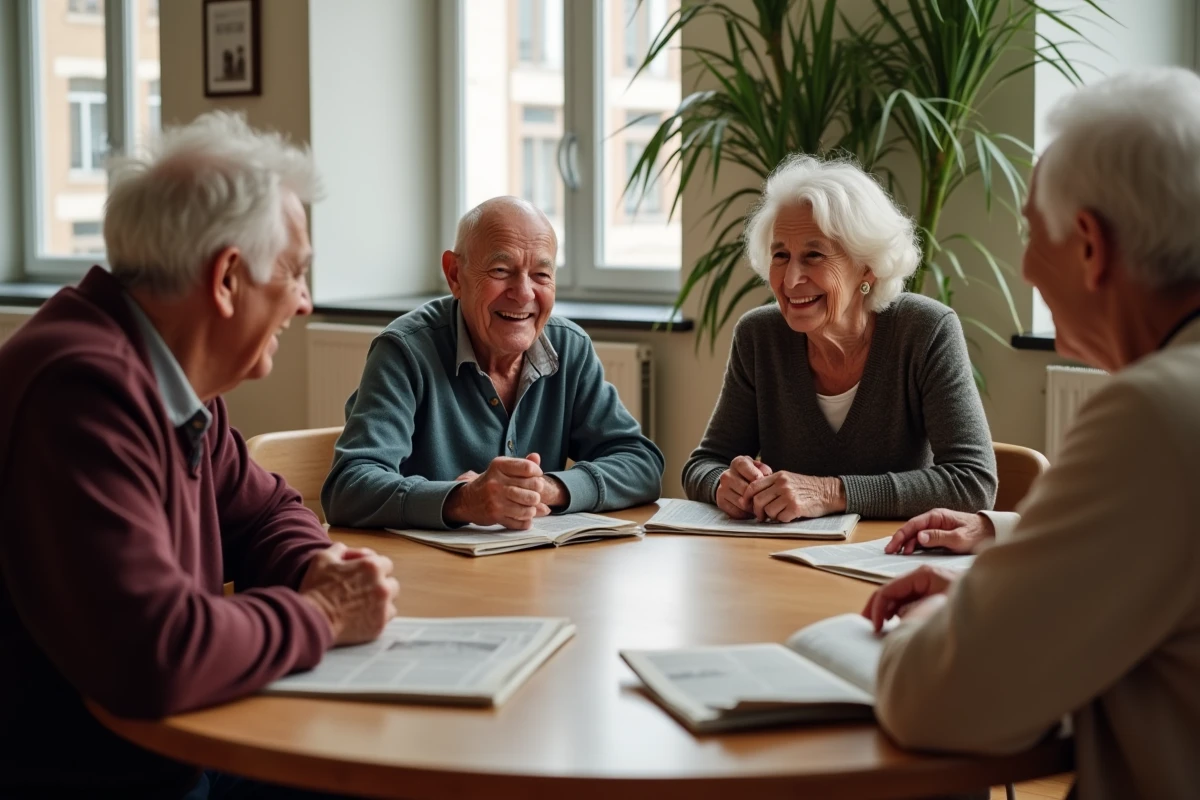
The keys to longevity: understanding why more and more French people are reaching the age of 90
How can we explain this increase in life expectancy in France? Several factors work together and shape longevity. First, the healthcare system has transformed: widespread access to care, increased prevention, early diagnoses. Nutrition also plays a role: the Mediterranean diet, rich in fruits, vegetables, fish, and olive oil, influences cardiovascular health and the risk of dementia.
But longevity is not just about biology. Surroundings, social activity, and associative engagement are equally important. A strong family network or maintained friendships protect against isolation, a silent scourge that reduces life expectancy as much as tobacco. Engaging in physical activity, stimulating the mind, and ensuring a balanced diet: these habits delay the loss of autonomy. While healthy life expectancy is increasing, it remains unevenly distributed according to social backgrounds and gender.
Several factors determine this longevity:
- Genetics: heredity accounts for 20 to 30% of lifespan.
- Socio-economic level: housing conditions, access to care, daily environment influence longevity.
- Prevention: home adaptations, technical aids, and combating chronic diseases favor home care.
The rise of nonagenarians is also a generational issue. The baby boomers are now entering old age. Political choices, investing in social support, prevention, and housing adaptation will impact society’s ability to manage this demographic transition. France is aging, but the way it ages remains to be invented.